
 October 15, 2026
Ménière’s Disease: 7 Powerful Ways to Manage Symptoms
Written by Dr. Joseph Adams, D.C., M.S. Applied Clinical Neuroscience
Have you ever experienced sudden spinning dizziness that seemed to come out of nowhere? Maybe your hearing became muffled, your ear felt full, or you noticed ringing that wouldn't go away.
When these symptoms happen together, Ménière's disease may be one possible explanation.
Ménière's disease is an inner ear disorder that affects both hearing and balance. Unlike some other causes of dizziness, Ménière's disease often produces recurring episodes of vertigo accompanied by changes in hearing.
Understanding the symptoms, getting an accurate diagnosis, and exploring appropriate treatment options can help you better manage this unpredictable condition.
What Is Ménière's Disease?
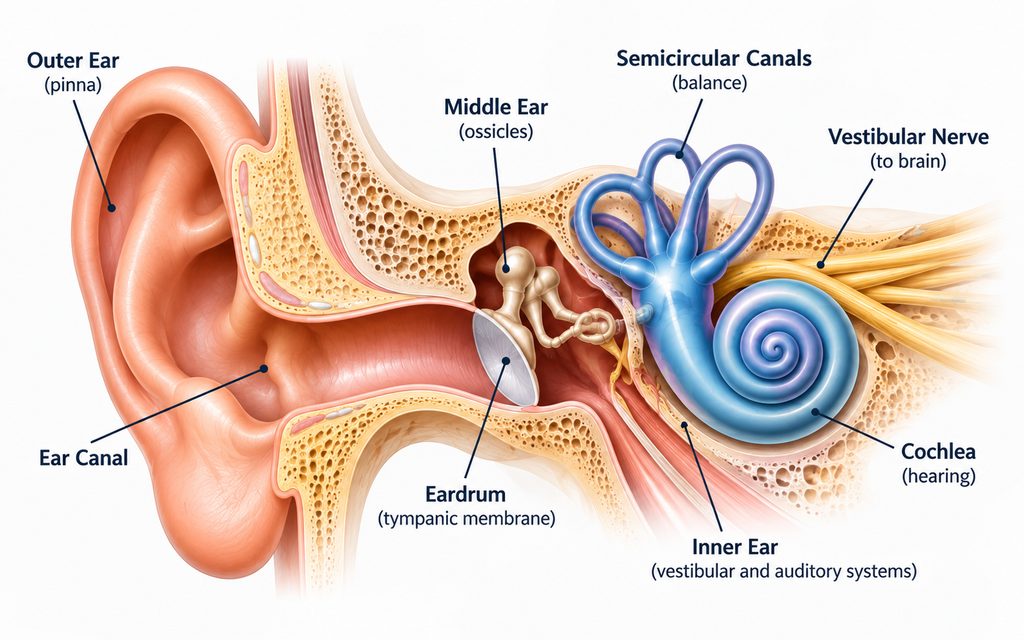
Ménière's disease is a chronic disorder affecting the inner ear, which contains the structures responsible for hearing and balance.
Although the exact cause is not fully understood, Ménière's disease is associated with an abnormal accumulation of fluid called endolymph within the inner ear.
This fluid imbalance can disrupt the signals traveling from your inner ear to your brain, affecting your sense of movement, position, and hearing.
Because the brain relies on accurate information from the inner ear to maintain balance, these disruptions can cause sudden episodes of spinning dizziness, also known as vertigo.
What Causes Ménière's Disease?
Researchers have not identified one specific cause of Ménière's disease. However, several factors may contribute to the development of this inner ear disorder.
These include abnormal fluid regulation, genetic susceptibility, immune-related processes, and possible associations with migraine.
The important distinction is that Ménière's disease involves the inner ear, but its symptoms can affect how the entire balance system functions.
Your brain constantly combines information from your eyes, inner ears, muscles, and joints to help you remain steady. When one system provides inconsistent information, dizziness and imbalance can follow.
Common Ménière's Disease Symptoms
Ménière's disease symptoms can vary from person to person. Some individuals experience occasional attacks, while others have more frequent episodes.
Common symptoms include:
- Recurring vertigo: Sudden spinning sensations that typically last between 20 minutes and several hours.
- Fluctuating hearing loss: Hearing may become muffled or reduced, particularly in one ear.
- Tinnitus: Ringing, buzzing, or roaring sounds in the affected ear.
- Ear fullness: A sensation of pressure or congestion in the ear.
- Balance difficulties: Feeling unsteady while walking or standing.
- Nausea and vomiting: Often associated with more severe vertigo episodes.
Between episodes, some patients feel relatively normal. Others experience lingering imbalance, fatigue, or difficulty concentrating.
These ongoing symptoms can make daily activities frustrating, even when the spinning sensation has stopped.
Ménière's Disease vs. Other Types of Vertigo
Not every episode of dizziness is caused by Ménière's disease.
Several vestibular conditions can produce similar symptoms, which is why an accurate diagnosis matters.
BPPV (Benign Paroxysmal Positional Vertigo)
BPPV typically causes brief spinning sensations when changing head positions, such as rolling over in bed or looking upward. Episodes generally last less than a minute and do not cause hearing loss.
Vestibular Neuritis
Vestibular neuritis usually causes a prolonged episode of severe vertigo that can last for days. Unlike Ménière's disease, it typically does not cause hearing loss.
Ménière's Disease
Ménière's disease generally causes recurring episodes of vertigo accompanied by fluctuating hearing changes, tinnitus, or ear fullness.
Vestibular Migraine
Vestibular migraine can also cause recurring dizziness or vertigo, sometimes without a headache. Hearing symptoms may overlap, making careful evaluation important.
Understanding these differences helps healthcare providers determine which system may be responsible for your symptoms and which treatment approach is most appropriate.
How Is Ménière's Disease Diagnosed?
There is no single test that definitively confirms Ménière's disease.
Diagnosis generally involves an evaluation by an ear, nose, and throat (ENT) specialist or neurotologist.
Your healthcare provider may recommend:
- A detailed medical history and review of vertigo episodes
- Hearing tests, including audiometry
- An examination of the ears and neurological system
- Additional imaging when needed to rule out other conditions
- Balance testing when clinically appropriate
A hearing test is particularly important because documented hearing changes help distinguish Ménière's disease from other vestibular conditions.
Getting the right diagnosis is the first step toward developing an effective management plan.
7 Ways to Manage Ménière's Disease Symptoms
Although there is currently no cure for Ménière's disease, several strategies may help patients manage symptoms and improve their quality of life.
1. Work With an ENT Specialist
Ménière's disease requires appropriate medical evaluation and ongoing management.
An ENT specialist can assess hearing changes, monitor the progression of symptoms, and recommend treatment options based on your individual presentation.
2. Discuss Dietary Changes
Some patients are advised to reduce sodium intake to help manage inner ear fluid balance.
Your healthcare provider may also recommend monitoring caffeine or alcohol intake and maintaining consistent hydration.
Responses to dietary changes vary, so recommendations should be individualized.
3. Manage Acute Vertigo Episodes
During severe attacks, your physician may prescribe medications to reduce vertigo, nausea, or vomiting.
These medications are generally intended for short-term symptom control rather than long-term rehabilitation.
4. Consider Vestibular Rehabilitation for Ongoing Imbalance
One of the most frustrating aspects of Ménière's disease is that balance problems can persist even after a vertigo episode ends.
Vestibular rehabilitation uses individualized exercises to help the brain adapt to changes in balance information.
Depending on your findings, treatment may focus on:
- Improving gaze stability
- Strengthening balance and postural control
- Reducing sensitivity to movement
- Improving coordination between visual and vestibular systems
- Building confidence with everyday activities
Vestibular rehabilitation is recommended for patients experiencing chronic imbalance associated with Ménière's disease. It is not intended to stop an acute Ménière's vertigo attack.
5. Monitor Hearing Changes
Because Ménière's disease can affect hearing over time, ongoing hearing evaluations are important.
An audiologist or ENT specialist can monitor hearing function and discuss hearing assistance when appropriate.
6. Identify Patterns and Possible Triggers
Keeping a symptom diary may help you recognize patterns associated with your vertigo episodes.
Consider recording when episodes occur, how long they last, associated hearing changes, sleep quality, and possible triggers.
Not every episode will have an identifiable trigger, but tracking symptoms can provide useful information for your healthcare team.
7. Address Persistent Balance Difficulties
Even when Ménière's disease is medically managed, some individuals continue experiencing motion sensitivity or unsteadiness.
An individualized rehabilitation program may help address these remaining challenges and support a safer return to everyday activities.
How Calibration Brain and Body Can Help
At Calibration Brain and Body in Mansfield, Texas, we understand how disruptive recurring dizziness and balance problems can be.
While Ménière's disease requires medical management through an ENT or other appropriate specialist, some patients benefit from additional rehabilitation for persistent balance difficulties.
Our functional neurology approach evaluates how your brain, eyes, neck, and vestibular system work together to maintain stability.
Depending on your symptoms and examination findings, an evaluation may include eye movement assessments, balance testing, and evaluation of how your body responds to movement.
When appropriate, individualized neuro-vestibular rehabilitation may help improve gaze stability, reduce motion sensitivity, and support better balance.
Our goal is to work alongside your healthcare team and develop a rehabilitation plan based on your specific findings rather than guessing.

When Should You Seek Medical Care?
Recurring vertigo accompanied by hearing changes, tinnitus, or ear fullness should be evaluated by a qualified medical professional.
Sudden hearing loss requires urgent medical assessment, even without vertigo.
If dizziness occurs with facial drooping, difficulty speaking, new weakness, double vision, or a sudden severe headache, seek emergency medical care.
These symptoms may indicate a condition requiring immediate attention.
Frequently Asked Questions About Ménière's Disease
Can Ménière's disease go away?
Ménière's disease is considered a chronic condition, but symptoms may fluctuate. Some patients experience long periods without vertigo attacks, while others continue to have recurring episodes or hearing changes.
How long does Ménière's disease vertigo last?
Typical episodes of vertigo associated with definite Ménière's disease last between 20 minutes and 12 hours. Some patients experience lingering imbalance afterward.
Can vestibular rehabilitation help Ménière's disease?
Yes. Vestibular rehabilitation may help patients with persistent balance problems, motion sensitivity, or unsteadiness between attacks. It does not cure Ménière's disease or treat an acute vertigo episode.
Is Ménière's disease the same as BPPV?
No. BPPV usually causes brief, position-triggered vertigo without hearing loss. Ménière's disease typically involves longer, recurring episodes accompanied by hearing-related symptoms.
Can Ménière's disease cause permanent hearing loss?
Yes. Although hearing may fluctuate initially, some patients develop more persistent hearing loss over time. Regular hearing evaluations are important.
Take the Next Step Toward Better Balance
Living with Ménière's disease can be unpredictable, but understanding your symptoms and receiving the right care can make a meaningful difference.
At Calibration Brain and Body in Mansfield, we perform detailed neurological and vestibular assessments to determine what may be contributing to ongoing dizziness and imbalance.
If appropriate, we develop an individualized rehabilitation plan to complement your medical care and help you return to everyday activities with greater confidence.
Calibration Brain and Body
408 South Main Street, Suite B
Mansfield, TX 76063
(817) 779-3435
We welcome patients from Mansfield, Arlington, Grand Prairie, Midlothian, and surrounding communities.
Disclaimer: This article is for educational purposes only and does not replace medical advice, diagnosis, or emergency care. Individual results vary. Ménière's disease should be evaluated and managed by an appropriately qualified medical professional.