
- Quick Answer
- What Dizziness Really Means
- Symptoms and Real-World Triggers
- Patterns We Look For
- Common Drivers of Dizziness
- Red Flags: When to Seek Urgent Care
- How We Evaluate Dizziness at Calibration Brain & Body
- Your Personalized Treatment Plan
- Evidence Snapshot
- Case Study Example
- Watch: Why Dizziness Happens—and What Actually Helps
- Printable PDF Guide
- Next Steps to Treat Your Dizziness
- FAQ
- Clinical References
- Reviews
- Meet The Team

Dizziness Treatment in Mansfield: Evidence-Informed, Non-Drug Care
Content Reviewed By: Dr. Joseph Adams, D.C., M.S. on August 12, 2026
Chiropractic License Number: 13522 (NPI: 1972026367)
Table of Contents
-
-
- Quick Answer
- What Dizziness Really Means
- Symptoms and Real-World Triggers
- Patterns We Look For
- Common Drivers of Dizziness
- Red Flags: When to Seek Urgent Care
- How We Evaluate Dizziness at Calibration Brain & Body
- Your Personalized Treatment Plan
- Evidence Snapshot
- Case Study Example
- Watch: Why Dizziness Happens—and What Actually Helps
- Printable PDF Guide
- Next Steps to Treat Your Dizziness
- FAQ
- Clinical References
- Reviews
- Meet The Team
-
This content is educational and not a substitute for medical diagnosis. If you have red flag symptoms or a medical emergency, seek urgent care.

Quick Answer
Dizziness is a symptom, not a diagnosis: and it can come from the inner ear, the brain’s balance pathways, vision, the neck, blood pressure regulation, or recovery after illness or concussion.
Common causes include:
- Benign positional vertigo (BPPV)
- Vestibular neuritis/labyrinthitis
- Vestibular migraine
- Persistent postural-perceptual dizziness (PPPD)
- Orthostatic (standing-related) lightheadedness.
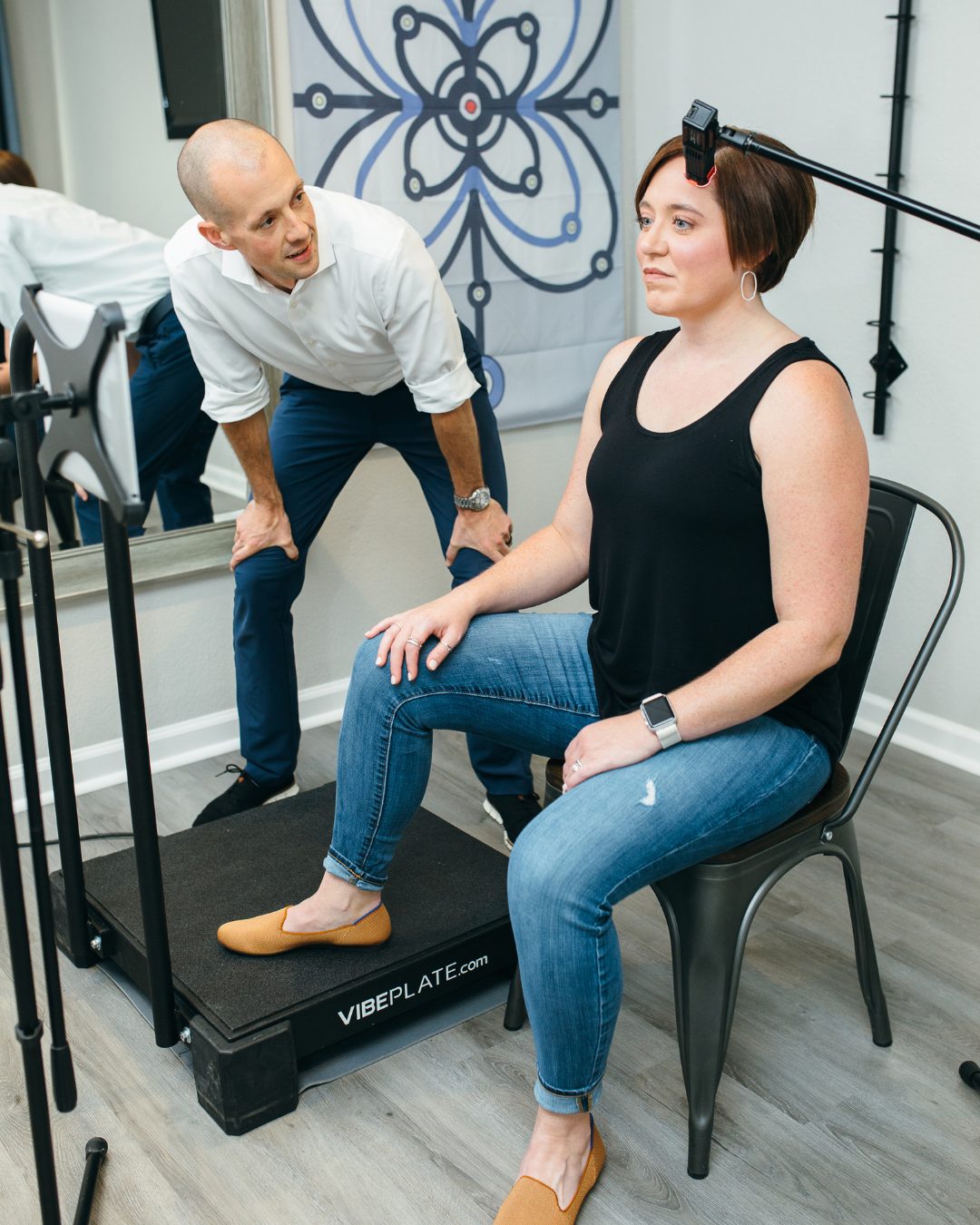
First-line care starts with a focused history and exam to identify your “dizziness type,” then targeted treatment such as repositioning maneuvers for BPPV, vestibular rehabilitation, ocular rehabilitation, balance and cognitive therapy and chiropractic care and or other adjunctive therapies.
Seek urgent care for new stroke-like symptoms (face droop, weakness, trouble speaking), fainting, severe sudden headache, or new neurologic deficits. (Canadian Stroke Best Practices)

What Dizziness Really Means
“Dizziness” can describe several different experiences: spinning (vertigo), lightheadedness, feeling off-balance, or feeling disoriented in motion-heavy environments. That’s why effective care begins by clarifying what you mean by dizzy and what brings it on. For some people, dizziness is brief and positional (like rolling over in bed). For others, it’s persistent and worsens with grocery store aisles, screens, or busy visual environments.
Dizziness can be acute (days to a couple of weeks), subacute (weeks), or persistent (months). Persistent symptoms don’t automatically mean something dangerous… but they do mean your system may need a structured re-training plan rather than “wait it out.”
Two common myths we’ll help you avoid:
- Myth #1: “It’s just my inner ear.” The inner ear is important, but balance is a brain + body skill built from inner ear input, vision, and body awareness working together.
- Myth #2: “I should just rest until it goes away.” Rest can be helpful early on, but many vestibular conditions improve faster with the right dose of targeted movement and graded exposure; without overwhelming your system. (PubMed)
At Calibration Brain & Body, our goal is to give you clear answers, a focused plan, and steady progress. Without guesswork or generic protocols.
Symptoms and Real-World Triggers
Dizziness rarely shows up as one “clear and repetitious” symptom. Many people experience a mix that changes through the day.
Common symptoms include:
- Spinning sensation (vertigo)
- Lightheadedness or feeling faint
- Unsteadiness, veering when walking, or “floating” feeling
- Nausea or motion sensitivity
- Head pressure, headache, or migraine symptoms
- Visual blur with head movement, trouble focusing, or eye strain
- “Brain fog,” slowed processing, or fatigue (especially post-concussion)
- Anxiety spikes that feel tied to motion, crowds, or visually busy places

Patterns we listen for
Your triggers often point toward the most likely drivers:
- Rolling over in bed / looking up / bending down → often consistent with BPPV.
- Dizziness after a virus with imbalance → can align with vestibular neuritis/labyrinthitis.
- Episodes with migraine features (headache, light/sound sensitivity, aura) → may suggest vestibular migraine. (ICHD-3)
- Worse with standing quickly → may be orthostatic lightheadedness (blood pressure regulation). (AAFP)
- Worse in stores, scrolling, driving, crowds → can align with visual motion sensitivity or PPPD. (PMC)
- After concussion → dizziness often reflects vestibular + vision + neck + autonomic recovery needs.
How it impacts daily life
Dizziness can quietly shrink your world: avoiding workouts, driving less, sleeping poorly, feeling less confident on stairs, skipping social plans, or constantly “checking” your balance. A good plan restores both your symptoms and your confidence to move through life again.

Common Drivers of Dizziness
There isn’t one single “dizziness cause.” Most people have one primary driver plus a few secondary contributors. Common categories include:
Inner ear and vestibular system causes
- BPPV (positional vertigo): tiny crystals in the inner ear become displaced and trigger brief spinning with position changes; responds well to targeted repositioning maneuvers for the right canal. (PubMed)
- Vestibular neuritis / labyrinthitis: inflammation often after a viral illness; can cause prolonged dizziness and imbalance. May need coordinated medical evaluation
- Ménière’s disease: episodic vertigo with fluctuating hearing symptoms/tinnitus/fullness; typically needs coordinated medical evaluation. (AAO-HNS)
- Peripheral vestibular hypofunction: reduced vestibular function on one or both sides; vestibular rehab has strong evidence for improving gaze stability, balance, and function. (PubMed)
Brain-based and migraine contributors
- Vestibular migraine: dizziness/vertigo episodes linked to migraine biology; even if head pain isn’t always present. (ICHD-3)
- PPPD: persistent dizziness/unsteadiness that is often worse upright, with motion, and with complex visual stimuli; it can follow a vestibular event and becomes a “stuck” pattern that responds to structured rehab and nervous system retraining. (PMC)
- Post-concussion dizziness: commonly multi-factorial (vestibular, oculomotor/vision, neck, autonomic). Vestibular rehab is supported as a helpful approach for persistent post-concussion symptoms. (PubMed)
Mechanical and sensory mismatch factors
- Visual-vestibular mismatch: when the eyes, inner ear, and brain are not coordinating well, problems with tracking, focusing, or keeping vision stable during head movement can trigger dizziness, motion sensitivity, and balance-related symptoms. (Springer)
- Cervicogenic dizziness: the neck can sometimes be a true source of dizziness through altered cervical sensory input, and in other cases neck stiffness and guarded movement can develop secondarily and make dizziness harder to resolve. (MDPI)
Lifestyle and recovery variables (often “amplifiers”)
- Sleep disruption, dehydration, under-fueling, stress overload, long screen exposure, inconsistent movement, and deconditioning can all lower your system’s tolerance and make symptoms feel louder. Even if they aren’t the root cause.
We’ll explain what seems most likely for your case and what’s less likely so your plan stays focused and responsible.

Red Flags: When to Seek Urgent Care
Most dizziness is not dangerous, but certain symptoms should be treated as urgent: especially when they’re new, sudden, or severe.
Seek emergency evaluation now (ER/ 911) if dizziness is accompanied by:
- Face drooping, arm/leg weakness or numbness, new trouble speaking/understanding
- New severe trouble walking, loss of coordination, or inability to stand
- Sudden vision loss or new double vision
- Sudden, severe “worst headache” or headache with neck stiffness and fever
- Fainting, chest pain, shortness of breath, or heart palpitations with near-fainting
- Recent head/neck trauma with worsening neurologic symptoms
Sudden severe dizziness with other neurologic symptoms (even if symptoms come and go)
These align with recognized “stroke red flags” and emergency screening priorities. (Canadian Stroke Best Practices)
If you’re unsure, it’s always appropriate to err on the side of safety.

How We Evaluate Dizziness at Calibration Brain & Body
Effective dizziness treatment depends on getting the diagnosis as specific as possible. We start with a comprehensive, patient-centered evaluation designed to identify the main driver(s) and rule in/out common diagnostic patterns.
Step 1: History that actually narrows the cause
We’ll ask about:
- What “dizzy” feels like (spinning vs lightheaded vs off-balance)
- Triggers (rolling over, looking up, stores/screens, standing quickly)
- Timing (seconds vs minutes vs hours; episodic vs constant)
- Associated symptoms (headache/migraine features, hearing changes, nausea, vision symptoms)
- Recent viral illness, concussion, falls, or neck strain
- Lifestyle, hydration, and sleep variables
- Your goals: driving, exercise, work focus, sports, confidence
Step 2: Physical and functional testing
Depending on your presentation, your exam may include:
-
- Positional testing for BPPV (to identify the canal involved)
- Eye movement and visual tracking assessment
- Head/eye coordination tests (gaze stability/VOR screening)
- Balance and gait assessment
- Orthostatic screening when lightheadedness is standing-related (blood pressure regulation) (AAFP)
- Neurologic screen to determine when referral is appropriate
Step 3: Differential diagnosis and coordination of care
Not every dizziness case should be managed the same way and not every case should be managed only in our office. When symptoms suggest ENT, audiology, neurology, or primary care involvement (for example: hearing changes, medication side effects, cardiovascular concerns), we’ll coordinate and refer as needed.
Imaging: when it’s helpful—and when it’s not the first step
Many common dizziness causes (like BPPV and vestibular hypofunction) are diagnosed clinically, and best-practice guidance emphasizes accurate bedside assessment and appropriate treatment rather than reflexive imaging for every presentation. (PubMed)
If red flags are present, or your presentation suggests a central (brain-related) cause, imaging and urgent medical evaluation may be necessary. If this is the case, you will be referred out. (Canadian Stroke Best Practices)

Your Personalized Treatment Plan
At Calibration Brain & Body, dizziness care is structured and progressive. That’s because your nervous system improves with the right inputs, at the right dose, in the right order. Your plan may include vestibular rehabilitation, vision-based drills, balance retraining, and (when appropriate) integrated brain-body chiropractic and other rehabilitation approaches.
Phase 1: Calm the System and Create Stability
In the first phase, we aim to reduce symptom spikes and restore a sense of safety in motion.
- Identify and address high-likelihood drivers early (for example: BPPV repositioning when appropriate) (PubMed)
- Set clear “dosage” rules for movement to prevent overload
- Begin gentle gaze stabilization or visual drills if indicated
- Establish baseline balance tasks and safe home strategies
- Sleep, hydration, and fueling support to reduce physiologic amplification (when relevant)
- Vagal nerve therapies, and or calming biofeedback
- Restore neck health and reduce neck and or head pain
Phase 2: Restore Motion Tolerance and Visual-Vestibular Coordination
Once symptoms begin to settle, we build capacity in the systems that drive balance.
- Progress gaze stabilization and head/eye coordination work (VOR-based drills)
- Habituation work for motion sensitivity (graded exposure, not “push through it”)
- Balance training that challenges your system safely (surface changes, head turns, dual-tasking)
- Vision and dynamic visual tracking therapy when visual drivers are present
- Coordination and body awareness work for steadier movement confidence (PubMed)
Phase 3: Rebuild Strength, Endurance, and Real-World Capacity
Dizziness often improves further when your overall capacity rises.
- Progressive strength and conditioning appropriate to your tolerance
- Walking progression, aerobic base, and “return to driving/store” steps if those are triggers
- Sport or work-specific movement preparation
- Strategies for migraine-linked dizziness if patterns suggest vestibular migraine (often with co-management as needed) (ICHD-3)
Phase 4: Return to Life with Confidence
This phase is about ownership and durability.
- A clear home program for maintenance and flare-ups
- A plan for travel, screens, busy environments, and long days
- Return-to-activity milestones (whatever matters to you: gym, running, pickleball, work travel)
- Follow-up checkpoints to keep your progress stable
- As needed maintenance care

Adjunct Technologies
(Indication-Based)
Depending on your case, we may incorporate supportive tools as part of a broader plan:
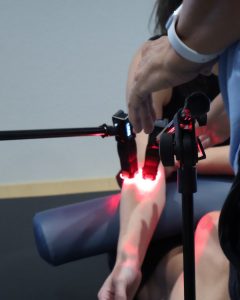
- Class IV Laser (when tissue irritation or pain is a limiting factor)
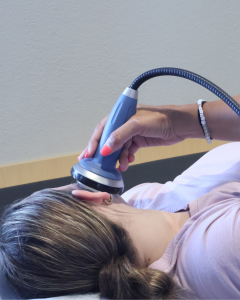
- Shockwave (when musculoskeletal tension and or pain drivers coexist)
- Spinal Decompression (when nerve/disc-related issues affect function)
- Vagal nerve stimulation and functional neurologic rehabilitation strategies (when autonomic regulation or neurologic patterns are contributing)
Evidence Snapshot
Below is a plain-language summary of what high-quality research and guidelines suggest for common dizziness patterns.
- Clinical practice guideline (BPPV): Strongly supports accurate positional testing and use of canalith repositioning maneuvers (like the Epley maneuver) to resolve BPPV symptoms, while reducing unnecessary imaging and avoiding overreliance on suppressant medications.
Applies to: adults with suspected BPPV (brief vertigo triggered by position change).
Limitation: only applies when dizziness fits BPPV patterns; not all dizziness is BPPV. (PubMed)
- Updated clinical practice guideline (peripheral vestibular hypofunction): Shows strong evidence that vestibular rehabilitation improves dizziness, gaze stability, balance, and function in unilateral or bilateral vestibular hypofunction.
Applies to: many patients with inner ear vestibular loss or reduced function.
Limitation: exercise type and dosing must be individualized; symptoms can flare if progressed too aggressively. (Lippincott Journals)
- Consensus diagnostic criteria (PPPD): Defines PPPD as persistent dizziness/unsteadiness/non-spinning vertigo present most days for 3+ months and worsened by upright posture, motion, and complex visual environments.
Applies to: people with long lasting symptoms often after an initial vestibular event.
Limitation: diagnosis requires careful clinical assessment and exclusion of other primary causes. (PMC)
- Diagnostic criteria update (vestibular migraine): Provides standardized criteria for vestibular migraine episodes of symptoms lasting minutes to days, with a migraine history and/or migraine features during attacks.
Applies to: episodic dizziness/vertigo linked to migraine biology.
Limitation: overlap exists with other vestibular disorders; requires careful history-taking and differential diagnosis. (ICHD-3)
- Systematic review evidence (post-concussion): Supports vestibular rehabilitation as a beneficial component of care for persistent dizziness and related functional limitations after concussion/mild traumatic brain injury.
Applies to: patients with lingering post-concussion symptoms.
Limitation: concussion recovery is multi-system; vestibular rehab is often one part of an integrated plan. (PubMed)

Case Study Example
Patient profile: 38-year-old female professional, active parent, driving daily.
History: Greater than 5 months of dizziness and “off-balance” sensation, worse in grocery stores and when scrolling on the phone; stopped workouts; avoided highway driving; fatigue and “brain fog” by late afternoon. Mild to moderate neck pain with associated mild headaches about 2 times a week.
Assessment: No red flags on neurologic screen. Positional testing negative for classic BPPV. Symptoms increased with visual motion exposure and head/eye coordination tasks; reduced gaze stability and balance confidence; history suggested a migraine component and possible PPPD like persistence after a previously resolved vestibular event.
Plan duration: 8 weeks with reassessment milestones.
Interventions used: Personalized vestibular rehab (graded gaze stabilization + habituation), balance training progression, manual care for neck and body and home program; care coordination recommendations with hormone specialist for migraine symptoms driven by her cycle.
Milestones
- Week 2: Fewer symptom spikes; improved tolerance to short store trips using pacing strategies; less nausea.
- Week 4: Reduced neck pain and headaches. Resumed light workouts; improved driving confidence; reduced “visual overwhelm” episodes.
- Week 8+: Returned to regular training and full grocery trips; driving without avoidance; dizziness became rare and head pain was resolved.
Outcome metrics: Marked improvement in function and confidence; patient reported “back to normal life” with a maintenance plan for flare management. Improved dynamic vision on Righteye, Improved MCTSIB & Neck Challenge scores on BTracks. Improved vestibular and visual disorientation exam results.
Maintenance plan: 10 minute home program 3x/week, plus a “travel and busy visual days” reset routine.
Note: Results vary based on diagnosis, chronicity, and contributing systems. Your plan and timeline are built from your exam findings and response to care.

Why Dizziness Happens—and What Actually Helps
Video Summary: Dizziness is frustrating because it can come from multiple systems and the best treatment depends on identifying the pattern. In this video, we explain the most common dizziness categories, how we evaluate the root driver(s), and how vestibular rehabilitation and vision/neurologic retraining can help restore stability without overloading your system. We also cover key red flags that should be evaluated urgently.
Download Our Dizziness Guide: “Stop the Spin”
If you’re dealing with dizziness, the right information can reduce anxiety and help you take the next best step.
What the PDF includes:
A simple “dizziness type” checklist (positional vs visual vs standing-related), Red flags to watch for, what to do during a flare (safe reset steps), what vestibular therapy actually looks like, and questions to ask at your evaluation

Next Steps to Treat your Dizziness
If dizziness is limiting your driving, workouts, work focus, or confidence, you don’t have to keep guessing. Calibration Brain & Body provides a whole-brain, whole-body approach to dizziness care. Combining detailed assessment, vestibular rehabilitation, and neurologically informed therapy to help you feel grounded and in control again.
What your first visit looks like
- Complimentary consultation: a conversation focused on your symptoms, goals, and whether you’re in the right place for care.
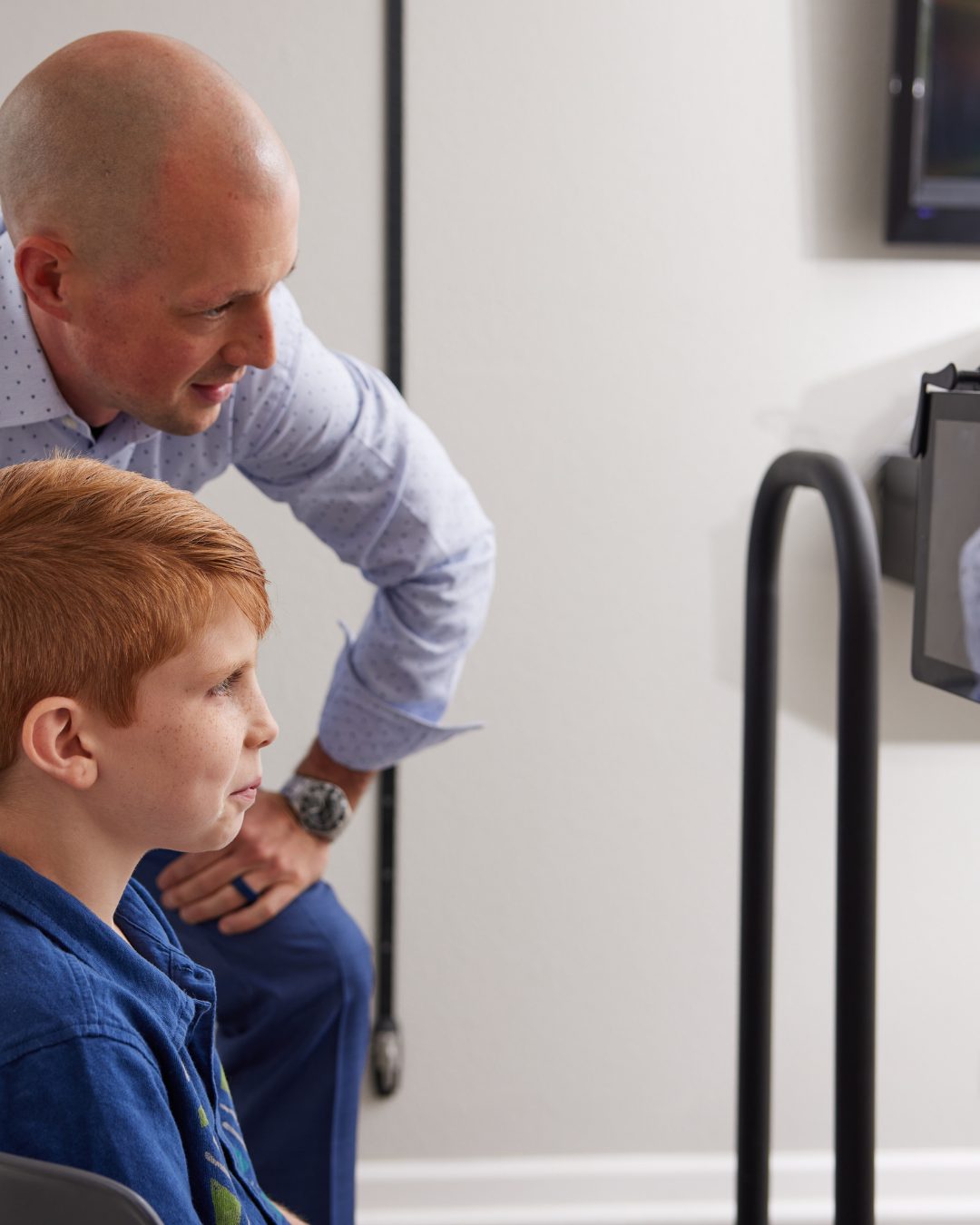
- Comprehensive evaluation: targeted vestibular, vision, balance, structural and neurologic screening to identify the most likely driver(s).
- Customized treatment protocol: a structured plan with clear milestones and home guidance.
We’re based in Mansfield and commonly see patients from Fort Worth and Dallas who want a higher-level, thorough approach to dizziness and balance problems.
FAQ
Clinical References
Bhattacharyya N, et al. Clinical Practice Guideline: Benign Paroxysmal Positional Vertigo (Update). (2017). (PubMed)
Hall CD, et al. Vestibular Rehabilitation for Peripheral Vestibular Hypofunction: An Updated Clinical Practice Guideline. Journal of Neurologic Physical Therapy. (2022). (Lippincott Journals)
Staab JP, et al. Diagnostic criteria for persistent postural-perceptual dizziness (PPPD). (2017). (PMC)
Lempert T, et al. Vestibular migraine: Diagnostic criteria (Update). (2022). (PMC)
Schlemmer E, et al. Vestibular rehabilitation effectiveness for adults with mild traumatic brain injury (concussion) and persistent symptoms. (2022). (PubMed)
Moser N, et al. Effectiveness of non-pharmacological therapy on physical symptoms in persistent post-concussion syndrome: systematic review. (2024). (SAGE Journals)
Kim MJ, Lipsitz LA. Orthostatic Hypotension: A Practical Approach. American Family Physician. (2022). (AAFP)
Canadian Stroke Best Practices. Emergency Department Evaluation and Management of Suspected Acute Stroke. (Canadian Stroke Best Practices)
Kingston Health Sciences Centre. Primary Care Management Pathway: Dizziness (Red Flags and Referral Guidance). (2023). (KHSC Kingston Health Sciences Centre)
What Our Patients Are Saying
Meet The Team

DR. JOSEPH ADAMS D.C., M.S.
Doctor of Chiropractic, MS Clinical Neuroscience
NPI: 1972026367
Texas Chiropractic License Number: 140672
Dr. Joe has a passion for helping people with significant health challenges through integrated care that includes chiropractic, functional neurology, vestibular rehabilitation, neuro-ophthalmology, and physical therapy. He loves helping people who are suffering through head pain (migraines, headaches, etc.) and neurological conditions find answers, solutions, and healing.
As a lifelong learner, he is always pursuing more education on how to best help his patients using the most advanced care applications. He fulfilled his residency at an integrated neurological rehabilitation center where he focused on providing chiropractic care to some of the most challenging cases. He also gained insight into functional and integrated medicine, along with post-graduate training in neurology. In his free time he uses his skills in welding and woodworking to build furniture and other home decor. He is usually spending his time with his wife (Dr. Jordan) and their two young children. He enjoys all kinds of fitness, especially weight lifting and yoga.
EDUCATION:
- Doctor of Chiropractic – Cum Laude (Parker University)
- Masters Degree in Applied Clinical Neuroscience (Parker University)
- Postgraduate Migraine Management
COMMUNITY INVOLVEMENT:
- Texas Chiropractic Association, Education and Events Committee
- Continuing Education Provider for other chiropractors
- Mansfield Police Department, Training Advisory Board
- Mansfield Area Chamber of Commerce, Former Board Member
- Rotary Club of Mansfield, Former Board Member

DR. JORDAN ADAMS D.C., M.S., CST
Doctor of Chiropractic, MS Clinical Nutrition, Craniosacral Therapy
NPI: 1184131708
Texas Chiropractic License Number: 13570
Dr. Jordan’s mission is to help others create more harmony in their life. Whether that’s a gentle word or a gentle adjustment. She approaches care from a mind + body perspective, empowering individuals to experience a deeper level of health, balance, and connection at every stage of their journey.
As a co-founder of Calibration Brain & Body, Dr. Jordan guides her patients and community toward more aligned living through gentle chiropractic care, craniosacral therapy, nutrition, community-centered yoga, and inspirational writing.Dr. Jordan has a special passion for infants and new moms, helping to support the transitions in this stage of life. She holds additional training in prenatal chiropractic care and is Webster Certified to provide specific support throughout pregnancy. She draws on her craniosacral training to help nurture the infant’s sensitive nervous system into a state of ease and balance.
Outside the office and off the yoga mat, Dr. Jordan can often be found adventuring outdoors on horseback, playing games with her kids, getting lost in a good book, writing poetry, or roping her husband (Dr. Joe) into their next creative home DIY project.
EDUCATION:
- Doctor of Chiropractic – Salutatorian; Magna Cum Laude; JWP Service Award (Parker University)
- Craniosacral Therapy Certified – Dynamic Body Balancing
- 500 hour yoga instructor + prenatal certified
- Postgraduate training in prenatal, pediatrics, functional nutrition
COMMUNITY INVOLVEMENT:
- Texas Chiropractic Association: Education and Event Committee
- Published Author: Pathways To Family Wellness and Plaid for Women
- Mansfield Park Facilities Development Corporation, Former Board Member

OLGA
Future Chiropractor / Rehab Team
Hi! Moving from Russia to explore the Fitness & Wellness field I found myself in healthcare helping the best Doctors of Chiropractic in Texas. I enjoy spending time outside, hanging out with my two boys – Pistol and Bullet. Yeah, weird names because they are dogs 😉 Love working out and always learning something new!

SARA
Practice Manager
Texas has been my home for over 10 years, but Hawaii will always have my heart. I’m very passionate about Chiropractic and I’m constantly learning something new. I live a simple life that brings me so much joy. When I’m not at Calibration greeting you at the front desk, you would most likely find me indulging in a good book or tv show. I am very approachable and always ready for great conversation.

BETH
Lead Rehab Tech
I am a native Texan born and raised in the Arlington area. I have spent the last six years as a Certified Personal Trainer and Nutrition Coach. I love working with people to better their health and wellness.

Sophia
Patient Care Advocate
Sophia works in front desk and rehab and loves helping patients feel their best. She graduated from Texas Tech University with a bachelor’s degree in Kinesiology and is planning to pursue a career in nursing. Outside of work, Sophia enjoys spending time with her family and going on coffee walks with her dogs, Callie and Brooklyn.
Content Reviewed By: Dr. Joseph Adams, D.C., M.S. on August 12, 2026
Chiropractic License Number: 13522 (NPI: 1972026367)